Energy Efficiency Tips for Your HVAC System Maintenance
Energy Efficiency Tips for Your HVAC System Maintenance
Blog Article
Essential for comfort in both residential and commercial spaces, HVAC systems are indispensable. To ensure they function efficiently, it's vital to understand the various components and services linked to heating, ventilation, and air conditioning. For trustworthy HVAC services that cater to your specific needs, be sure to explore available options. These systems provide not just temperature control but also critical ventilation for maintaining air quality. A properly maintained HVAC system boosts both productivity and overall well-being, underscoring the importance of repair and maintenance knowledge at read more. HVAC is an acronym that stands for heating, ventilation, and air conditioning. These systems play a crucial role in regulating the temperature and air quality within various environments. An effective HVAC system generally consists of several key components, including a furnace or heat pump dedicated to heating, air conditioning units for cooling purposes, and ductwork that facilitates air distribution throughout the building. In today's world, many modern HVAC systems feature smart technology, enabling users to control their systems remotely through smartphones or other devices. Energy efficiency has become increasingly important, as HVAC systems can represent a substantial portion of a property's energy expenditure. Conducting regular maintenance on these systems is vital for ensuring they function optimally, ultimately saving users money over time. When it comes to selecting an HVAC system, it's important to consider the size of the area, energy requirements, and available budget. For homes, traditional split systems that include both indoor and outdoor units are commonly used. Conversely, commercial buildings often benefit from rooftop units, which are space-saving and facilitate maintenance. It is crucial to seek advice from qualified professionals, as they can recommend systems tailored to meet specific needs while accounting for efficiency ratings. Additionally, being aware of local climate conditions is essential in determining the most suitable HVAC system for effective heating and cooling all year round. Consistent upkeep of HVAC systems is essential for peak efficiency. Just like any mechanical system, various components within HVAC units are prone to deterioration over time if not properly maintained. Conducting regular inspections allows homeowners to spot early signs of wear and tear, preventing them from escalating into major malfunctions that could lead to total system failure. Key maintenance activities involve replacing air filters, cleaning condenser coils, and examining ductwork for obstructions. Moreover, it is recommended to arrange seasonal maintenance appointments. The demands of heating and cooling seasons can put considerable pressure on HVAC systems, making preemptive inspections a wise choice to confirm everything runs effectively. For instance, inspecting your furnace prior to winter can boost its efficiency, while preparing your air conditioning system ahead of summer can avert overheating issues and the risk of system breakdowns. All your maintenance efforts could still lead to a situation where your HVAC system needs repairs or even complete replacement. Recognizing when to choose repair over replacement can prevent you from incurring avoidable costs. If your unit is nearing its designated lifespan—which usually varies from 10 to 20 years based on the specific model—replacement may be more advantageous financially compared to endless repairs. Common repair tasks for HVAC systems involve fixing faulty thermostats, servicing or replacing air conditioning compressors, and troubleshooting airflow issues. A skilled HVAC technician can provide an accurate diagnosis of the problems and recommend the best course of action, whether it’s a minor repair or a complete replacement of the system. If you wish to learn more about HVAC systems, consider checking the article available on HVAC.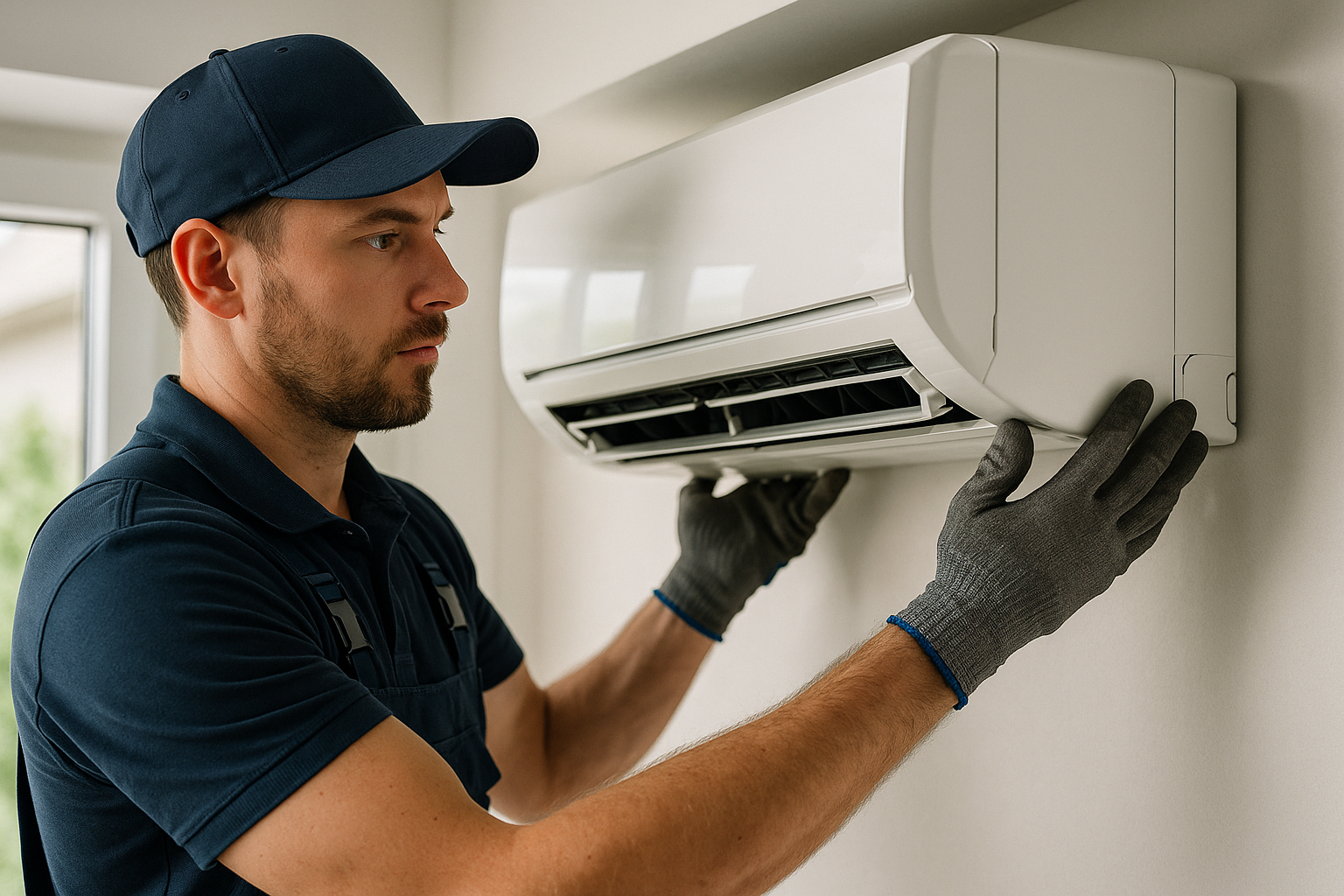 Livermore top commercial maintenanceLivermore top commercial maintenance
Understanding HVAC Systems
Choosing the Right HVAC System for Your Needs
Significance of Routine Upkeep
Repair and Replacement Options
HVAC
Tips for Maintaining Your HVAC System
Stay proactive with your HVAC maintenance to ensure longevity and efficiency. Establishing a regular schedule will help prevent potential problems down the line.
- Read up on your HVAC system's manual for specific maintenance guidelines provided by the manufacturer.
- Keep outdoor units clear of debris, ensuring at least two feet of space around them for proper airflow.
- Be aware of unusual sounds from your system, as they can indicate underlying issues that need attention.
- Check for air leaks around windows and doors and seal them, as they can affect the HVAC system's workload.
- Educate yourself on energy efficiency standards and consider upgrades that could lead to savings on energy bills.
Steps to Ensure Your HVAC System Runs Smoothly
- Regularly check and replace air filters every one to three months to ensure that your HVAC system operates efficiently.
- Inspect and clean the system's coils, ductwork, and vents to avoid dirt buildup that can impede airflow.
- Schedule annual maintenance with a qualified HVAC technician to catch any potential issues early before they become costly repairs.
- Monitor the thermostat settings to confirm they reflect your comfort levels and make adjustments as necessary for optimal energy use.
- Evaluate the size and capacity of your unit to ensure it aligns with the needs of your space, as undersized or oversized units can lead to inefficiency.
- Consider upgrading to a smart thermostat that allows for remote control and monitoring of your HVAC system, contributing to energy savings.
Frequently asked questions
What is HVAC?
HVAC stands for heating, ventilation, and air conditioning, encompassing systems that manage both heating and cooling within a building environment.
How do I choose an HVAC provider?
Choosing an HVAC provider involves checking credentials, reading customer reviews, and comparing pricing and services offered to find the best fit for your needs.
How much does HVAC cost?
The cost of HVAC systems and services can vary widely based on factors like the type of equipment, installation complexity, and region, often ranging from a few hundred to several thousands of dollars.
HVAC systems are integral for maintaining a comfortable living or working environment. By understanding the importance of routine maintenance, repairs, and proper installation, you can ensure your systems function effectively.
Investing time in understanding HVAC will pay off not only in comfort but also in cost savings on energy bills. Quality care for your systems is crucial to their longevity.